3,000 Jobs Created In One Year By ‘resilient' Uk Space Sector
13th April 2022
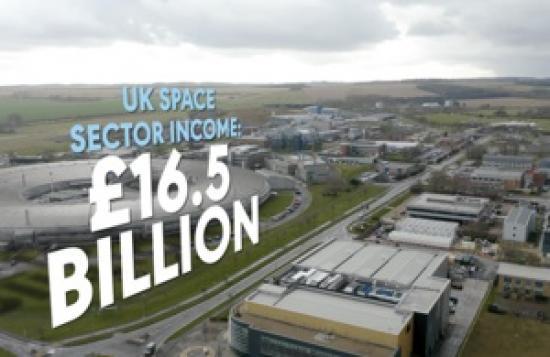
The number of UK space jobs continued to grow into 2020, despite the global impacts of the COVID-19 pandemic, according to new figures released today.
Employment in the UK space sector hit 46,995 in 2020, up from 44,040 in 2019: an increase of 2,955 (6.7%).
Sector income increased in nominal terms from £16.4 billion to £16.5 billion, with exports counting for around a third (32%) of this total. Space manufacturing, including satellites, spacecraft, launch vehicles and scientific instruments, grew the most in real terms; up by £23 million to £2.27 billion.
In line with the UK Government's commitment to increasing public and private R&D spending, investment in research and development saw a 19% boost to £836 million.
Employment in the UK space sector hit 46,995 in 2020, up from 44,040 in 2019: an increase of 2,955 (6.7%).
Sector income increased in nominal terms from £16.4 billion to £16.5 billion, with exports counting for around a third (32%) of this total. Space manufacturing, including satellites, spacecraft, launch vehicles and scientific instruments, grew the most in real terms; up by £23 million to £2.27 billion.
In line with the UK Government's commitment to increasing public and private R&D spending, investment in research and development saw a 19% boost to £836 million.
Confidence in the face of global challenges
When adjusted for inflation, the total income of the sector dropped marginally in real terms by 1.7% in 2020, compared to a 9.9% drop in the wider UK economy over the same period, caused predominantly by the Covid-19 pandemic. Fewer live sports broadcasts had a negative impact on satellite broadcasting services, while travel restrictions temporarily reduced demand for mobile satellite services from maritime companies and airlines.
Despite these challenges, confidence within the sector remains high, with more than three-quarters (79%) of organisations predicting a rise in income over the next three years, 74% expecting further increases in employment, and more than half (53%) expecting growth in space exports.
Dr Paul Bate, CEO of the UK Space Agency, said:
The UK space sector has shown remarkable resilience in the face of challenges presented by the pandemic, thanks to the incredible efforts of all those within it, and its future is a bright and ambitious one.
We continue to work closely with partners across the industry, with academia and our colleagues across government to catalyse further investment, deliver new space capabilities and missions, and champion space for the good of humanity. This will help us overcome challenges, drive forward the pace of innovation and bring tangible benefits to people and businesses.
Catalysing investment
The survey also analysed UK space investments over the past decade, finding that 145 unique investors in 38 companies invested nearly £6 billion across 90 investment deals, between 2012 and 2021.
There has been a recent increase in this activity with the launch of the Seraphim Space Investment Trust in 2021, and a newly announced $50 million space and tech fund from US venture capital firm, Type One. Following the success of its funding round for Wales-based Space Forge last year, Type One has opened a UK office to manage ongoing investment and support early-stage space companies in the UK and Europe.