Failed Wind Auction Takes The Shine Off A Big UK Success
16th September 2023
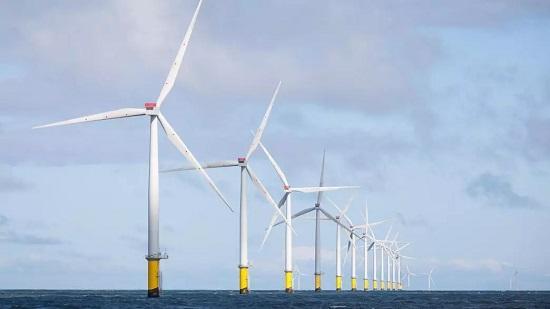
The government must act to stop further damage to offshore wind.
The government's renewable energy policies have slashed costs and turbo-charged offshore wind capacity in the last decade, but Sophie Metcalfe says this year's auction results show the sector's future is not guaranteed
Offshore wind has been held up as a flagship net zero policy success, with government price support unlocking low-cost capital, accelerating investment and encouraging rapid innovation. Over the last decade this has led to an installed capacity boom and seen prices fall lower than anyone's wildest dreams. But the dream is - for now, at least - over, after a failed auction saw no new projects forthcoming. The pressure is on the government to show it understands what went wrong, and then to act to prevent further damage to the industry.
Offshore wind was a big success story for the coalition government
The coalition government rightly gets credit for leading offshore wind's success with the 2014 introduction of a new Contracts for Difference (CfD) price support mechanism. The CfD saw renewable project developers compete in sealed-bid auctions to win 15-year contracts to sell electricity at a guaranteed inflation-adjusted "strike price". If the strike price is higher than generators can get through the wholesale energy market, a government-owned company funds the difference through a levy on energy suppliers, ultimately paid for by consumers. If the strike price is lower than the wholesale market (as it is currently due to high gas prices), generators pay the difference back to the government, which passes it on to consumers via suppliers. This has been a win-win policy: energy generators get a guaranteed future income to develop their projects, and consumers get low-cost, renewable energy.
Offshore wind emerged as the big success story of these auctions. 7GW of the 11GW of contracts awarded in 2022 went to offshore wind, at strike prices set at £37/MWh, less than a third of the price agreed at the first CfD auction in 2015.
The government failed to heed the warnings signs from the offshore wind industry
So what has gone wrong? Despite lot of successful bids for onshore wind and solar projects - good news for these sectors - this year's auction has been a disaster for offshore wind. There had been warning signs from the industry - including 2022 CfD-recipient Vattenfall suspending work on its 1.4GW Norfolk Boreas offshore project in July 2023 - but the government set the maximum strike price for offshore wind too low, meaning no one was prepared to bid.
The solar and onshore wind projects are smaller than a typical new offshore wind project, so the additional electricity capacity funded this year is just a third of last year's total, and future capacity growth in these technologies relies on them overcoming planning restrictions.1 The government's renewables targets for the end of the decade, which assume more than tripling current offshore wind capacity, look a long way off.
Read the full story HERE