Trading Standards - Holiday Scams
17th January 2025
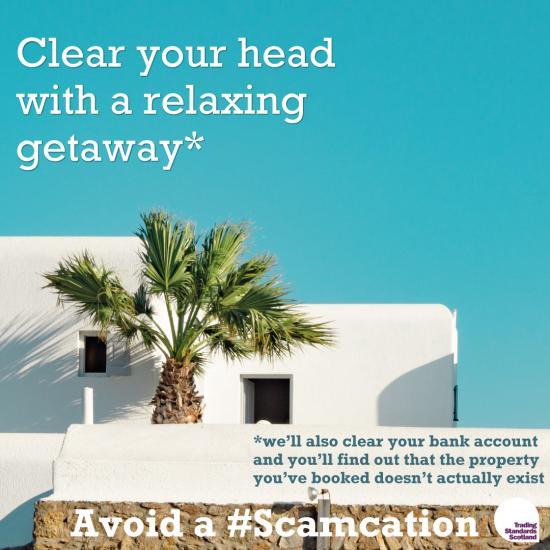
Holidaymakers looking to book spring and summer getaways are being warned to be wary of scams after a significant number of consumer issues with holiday bookings were reported last year.
These included fake accommodation listings on social media, cold calls and unsolicited emails offering holiday deals, scam websites and fake reviews on popular travel websites.
Several scam websites have recently been reported, all of which use images taken from a legitimate holiday park's brochure and advertise discounts on glamping pods in Yorkshire via social media.
Customers who booked short breaks after seeing social media ads turned up to the address listed, only to find that the glamping company did not exist and that no accommodation was available to them.
One couple saw a weekend glamping break advertised on Facebook and clicked through to book a two-night stay on the website. They received a receipt and reminder email before their stay, but were not provided with exact details about the glamping pod they would be staying in.
When they arrived at the address provided, there was no glamping site. They eventually found a caravan park nearby, where the owner told them about the scam, which they had heard about from several other customers in a similar situation.
A recent study by Lloyds Bank found that 49% of holiday scams begin on social media. There has been a 7% rise in holiday purchase scams since 2023.
How to Avoid
Avoid clicking on links in unsolicited emails or social media adverts, especially if they offer incredibly cheap deals or free tickets. Before booking travel/accommodation which you've seen on social media or in an unsolicited email, contact the company via their official website or publicly listed phone number to check that it is legitimately available at the price quoted and for the required dates. Where possible, book directly with the provider or through a reputable agent.
Do plenty of research. If you are unfamiliar with a company, check that they are a member of a recognised trade association such as ABTA or that they have been recognised by a national tourism organisation such as Visit Scotland.
Where possible, pay using a credit card rather than via bank transfer - this will offer you more protection if you are a victim of fraud or if something goes wrong. Be suspicious if a provider will only give you the option to pay by cash or bank transfer.
Before making any payments, check the terms and conditions of the booking and the cancellation policy. Make sure you have contact details for the company or provider.
Scammers may also post fake accommodation listings to sites such as Airbnb and often ask for payment via bank transfer or outside the site's payment system. Be wary if a listing asks you to contact the host outside the website’s mail system.
Find Out More
ABTA advice on avoiding fraud: www.abta.com/tips-and-advice/planning-and-booking-a-holiday/how-avoid-travel-related-fraud
Advice Direct Scotland: information about your consumer rights in relation to travel: consumeradvice.scot/knowledge-centre/#travel-and-transport
TSS website: www.tsscot.co.uk/holiday-scams
Original article: www.which.co.uk/news/article/beware-of-social-media-and-google-ads-for-fake-glamping-sites