Food and Drink Federation Predicts Even Higher Food Prices By End of December
16th September 2025
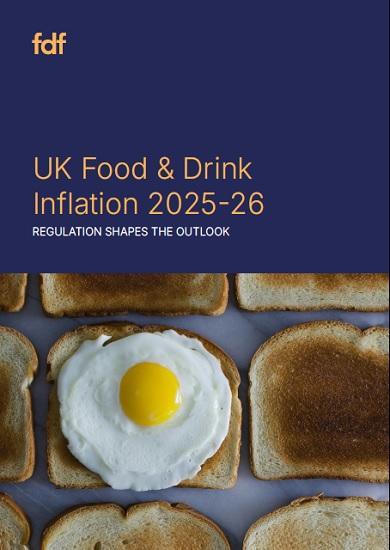
The Food and Drink Federation (FDF), which represents the UK’s largest manufacturing sector, has recently issued strong warnings about the continued rise in food and drink prices.
According to the FDF, inflation within the industry is set to climb to around 5.7% by the end of 2025—higher than the earlier forecast of 4.8%.
This level of inflation would make the increases among the steepest seen in decades, with food and non-alcoholic drink prices having risen by approximately 37% since early 2020, compared with an overall inflation rate of around 28% over the same period.
The FDF argues that several interlocking pressures are driving these price increases. First among them are domestic policy and regulatory costs. Recent changes, such as increases in employer National Insurance contributions, new packaging taxes, and Extended Producer Responsibility (EPR) regulations, have significantly added to the burden on manufacturers.
These policies, combined with rising labour costs across the sector, are putting additional strain on businesses already operating in a highly competitive environment.
Alongside these regulatory factors, the industry continues to grapple with global cost shocks. Agricultural commodities, which surged in price between 2020 and 2023, remain volatile. Staples such as milk, sugar, cheese, and flour have all experienced sharp increases in cost. While energy and commodity markets have stabilised somewhat since the peak of the crisis, the lingering effects are still being felt throughout the food supply chain.
Manufacturers have absorbed many of these costs for as long as possible, but the FDF warns that they can no longer shield consumers indefinitely. Rising input costs are now being passed on in the form of higher shelf prices, contributing to the squeeze on household budgets.
Importantly, the Federation also points out that food inflation in the UK is now outpacing that in many comparable European economies, which raises further concerns about the competitiveness of the British market.
In response to these challenges, the FDF is urging the government to exercise caution in policy-making. They argue that further regulatory or tax burdens would only deepen the problem and push prices higher still. Instead, the Federation is calling for measures that support the industry through investment in productivity, skills development, and export growth. Such support, they argue, is essential if the UK food and drink sector is to build resilience against future shocks while continuing to deliver value for consumers.
The report highlights
Food inflation is a particularly sensitive issue for society because food is a necessity: households cannot easily cut back on consumption. When prices rise, families are forced to allocate a larger share of their income to food, leaving less for other essentials such as housing, healthcare, education, and savings.
The burden falls especially hard on low-income households who spend a greater proportion of their budgets on food. In 2023–24, the poorest UK households spent an average of £39.2 a week on food and non-alcoholic drinks, compared with £103.70 for the richest households – more than double in cash terms
Yet, food accounted for 12.8% of disposable income in the poorest households, compared with just 8.7% for the richest.
Ultimately, the FDF’s message is clear: food inflation is not simply the result of global factors beyond the UK’s control, but is also being driven by domestic decisions that weigh heavily on producers. Unless these pressures are eased, shoppers can expect food prices to remain elevated, with the sharpest impacts likely to be felt in the months leading up to Christmas and beyond.
Read the full report HERE
Pdf 15 Pages