A Crystal Ball Look At What Can We Expect In The Autumn Budget on 26 November
26th October 2025
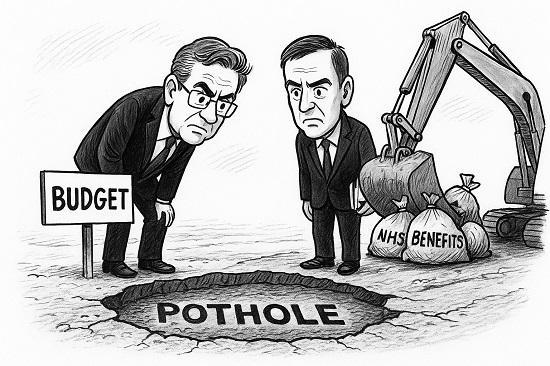
The UK Autumn Budget, scheduled for 26 November 2025, is expected to introduce significant fiscal measures aimed at stabilising public finances, addressing economic challenges, and funding public services.
Who can really predict but with a crystal ball and looking at what is being rumoured.
Tax Reforms and Revenue Generation
Capital Gains Tax (CGT) Adjustments
The Chancellor is likely to increase CGT rates, with proposals suggesting the lower rate may rise from 10% to 18%, and the higher rate from 20% to 24%. This change aims to align taxation more closely with income tax rates and generate additional revenue.
Inheritance Tax (IHT) Modifications
Reforms may include extending the freeze on the IHT threshold until 2030 and introducing changes to Business Property Relief, potentially reducing exemptions for certain assets.
Pension Tax Relief Adjustments
Consideration is being given to reducing the tax-free cash allowance from pensions, possibly from £268,275 to a lower figure, to encourage investment in other asset classes and increase tax revenue.
Public Spending and Investment
Public Sector Funding
The government plans to increase spending by nearly £70 billion annually over the next five years, focusing on areas such as the NHS, education, and defence. This investment aims to support public services and stimulate economic growth.
Business Rates Reform
There are proposals to reform business rates, particularly for small retail and hospitality businesses, to alleviate financial pressures and support the high street economy.
Housing and Property Taxation
Stamp Duty Adjustments: The government is considering increasing the stamp duty surcharge on second homes and introducing a new property tax system that could replace existing taxes like council tax and stamp duty with a land-based levy.
Indiatimes
Mansion Tax Proposal: A potential introduction of a mansion tax on properties valued over £1.5 million is under consideration, aiming to generate additional revenue from high-value properties.
Savings and Investment
ISA Reforms
Changes to Individual Savings Accounts (ISAs) may include reducing the annual cash ISA allowance from £20,000 to £10,000 to encourage investment in stocks and shares ISAs, thereby stimulating economic growth.
Salary Sacrifice Schemes
The government is reviewing salary sacrifice arrangements, which allow employees to exchange salary for benefits like pension contributions, to ensure they are not being used excessively to avoid tax and National Insurance contributions.
Fiscal Strategy and Economic Outlook
Fiscal Rules Review
The Chancellor is considering changes to fiscal rules, potentially reducing the frequency of economic forecasts from twice to once a year. This move aims to provide more stability but has raised concerns about fiscal transparency.
Financial Times
Economic Growth Projections
The Office for Budget Responsibility (OBR) is expected to revise UK growth forecasts downward, which may influence the government's fiscal policies and spending plans.
Don't Forget
Several thing will happen in 26/27 due to earlier budget decisions.
Tax will go up due to the frozen personal allowances levels - fiscal drag.
Business Rates Reform
Permanent Tax Reductions - in England
From 2026-27, retail, hospitality, and leisure (RHL) properties will benefit from permanently lower tax rates. Additionally, in 2025-26, these businesses will receive a 40% relief on their bills, capped at £110,000 per business.
While the UK Autumn Budget 2024 proposed reforms to business rates in England, such as permanent lower multipliers for retail, hospitality, and leisure properties from 2026-27, Scotland has its own system. The Scottish Government has introduced an inflationary increase in business rates for 2024–25, marking the highest annual rise in over 20 years.
NHS and Public Services Investment
Increased Funding: The government has committed to a £22.6 billion increase in NHS spending and £6.7 billion for capital investment in schools.
The Guardian
Housing and Property Taxation
Stamp Duty Adjustments in England
The government is considering increasing the stamp duty surcharge on second homes and introducing a new property tax system that could replace existing taxes like council tax and stamp duty with a land-based levy.
Fiscal Strategy and Economic Outlook
Fiscal Rules Review
The Chancellor is considering changes to fiscal rules, potentially reducing the frequency of economic forecasts from twice to once a year. This move aims to provide more stability but has raised concerns about fiscal transparency.