Wylfa Selected as Site for Europe's First SMRs - A New Chapter in UK Clean Energy
20th December 2025
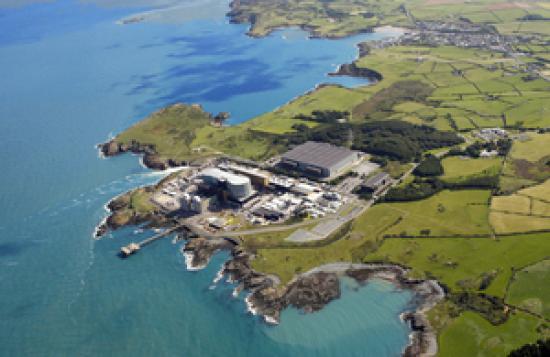
In November 2025, the United Kingdom Government announced a landmark decision in the nation's energy history.
Wylfa, located on the north coast of Anglesey (Ynys Môn) in North Wales, has been selected as the site for the UK's first Small Modular Reactors (SMRs) — a pivotal step toward delivering clean, secure, and homegrown nuclear energy.
As highlighted in The Spark, the newsletter from Great British Energy - Nuclear (GBE-N), this decision marks not just a local development but the beginning of what could become Europe's first fleet of SMRs, ushering in a new era of energy infrastructure and regional economic growth.
SMRs and Their Role in the Energy Transition
Small Modular Reactors represent a new generation of nuclear technology designed to be smaller, more flexible, and quicker to build than traditional large nuclear power stations. Unlike gigawatt-scale reactors that can take over a decade to construct, SMRs are factory-built and assembled on site, reducing both risk and upfront costs.
Their modular nature also allows multiple units to be added incrementally, responding to power needs more dynamically. The UK's forthcoming SMRs are projected to deliver up to 1.5 GW of low-carbon electricity, enough to power millions of homes while significantly reducing greenhouse gas emissions.
These attributes make SMRs a valuable complement to other clean energy sources such as wind and solar, providing baseload power — reliable generation that can operate continuously irrespective of weather conditions — which is crucial for grid stability and achieving net-zero climate targets.
Why Wylfa?
The choice of Wylfa as the host site for SMRs is grounded in both historical legacy and strategic potential. For decades, the original Wylfa nuclear power station operated successfully from 1971 until its closure in 2015, generating reliable electricity and embedding nuclear expertise in the local community. GBE-N emphasises that the site's extensive expertise, local workforce, and existing infrastructure make it one of the UK's best locations to establish a modern nuclear programme.
According to the government's announcement, the initial project will deliver at least three Rolls-Royce designed SMR units, with Wylfa's capacity potentially expanding up to eight SMRs in the future, subject to further investment and policy decisions.
Economic and Community Benefits
Selecting Wylfa for the UK's first SMRs promises to deliver significant economic benefits, particularly for North Wales. Construction activity alone is expected to support up to 3,000 jobs at peak build, with thousands more across the supply chain and associated industries. Local investments in skills, training, and infrastructure are anticipated to have positive ripple effects throughout the regional economy.
This renewed focus on Wylfa also comes with political and community support, as local representatives and industry leaders have long advocated for the site's redevelopment after previous large nuclear projects — notably the cancelled Wylfa Newydd initiative — failed to secure approval or funding.
Strategic Impacts and National Energy Policy
Nationally, the SMR project aligns with the UK Government’s Clean Energy Superpower vision — a strategy aimed at bolstering the nation’s energy security, reducing dependence on imported fuels, and fostering homegrown technology leadership. By investing in SMRs, the UK seeks to diversify its energy mix, secure reliable low-carbon power, and build a domestic nuclear supply chain that can compete internationally.
GOV.UK
The government’s £2.5 billion backing underscores the political will behind this initiative, although most of the site-specific costs are expected to be funded through private and commercial partnerships.
GOV.UK
Challenges and Future Prospects
Despite widespread enthusiasm, the SMR programme at Wylfa is not without challenges. Regulatory approvals, planning processes, and the successful deployment of new reactor technology all present complex hurdles that must be navigated before construction can begin — currently planned for 2026 with grid connection targeted in the mid-2030s.
GOV.UK
Moreover, while the SMR strategy is designed to lower costs and reduce build times compared to traditional nuclear projects, critics caution that demonstrating these efficiencies at scale will be essential before the technology can be widely exported or replicated. Nevertheless, if successful, Wylfa could serve as a blueprint for future SMR deployments across the UK and Europe.
The decision to select Wylfa as the site for Europe’s first Small Modular Reactors marks a transformative moment for the UK’s energy landscape.
By leveraging historical strengths, embracing innovative nuclear technology, and fostering economic development in North Wales, this initiative underscores a renewed commitment to clean, secure, and domestically-driven energy solutions.
As the project advances through planning and construction phases, its success could not only power millions of homes but also establish a sustainable pathway for nuclear innovation across the continent.
The Spark Newsletter December 2025
Pdf 5 Pages
The December edition of The Spark brings exciting news for the future of clean energy in the UK. Wylfa on Anglesey has been confirmed as the site for the country’s first small modular reactors (SMRs), marking a historic milestone in delivering secure, homegrown power. This project will add up to 1.5GW of low-carbon energy to the grid, create thousands of jobs, and strengthen Britain’s energy independence. It’s a bold step towards national renewal, powered by British talent and innovation.
Great British Energy
Read more about Small Modular Reactors HERE