Currency Markets - Dollar Weakness and the Rise of the Pound and Euro
23rd December 2025
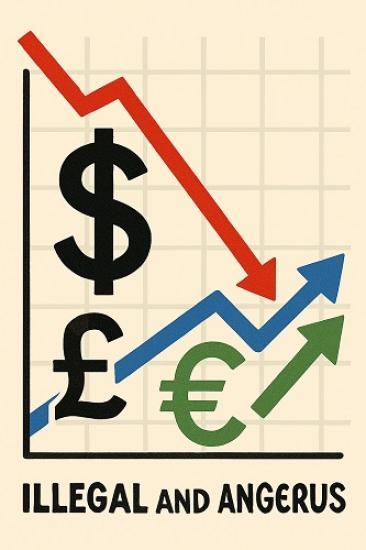
The dollar has weakened significantly in 2025. The Dollar Index (DXY) is down roughly 9-10% year-to-date, one of the largest declines in recent years. Analysts attribute the dollar's weakness to multiple factors.
Interest Rate Expectations: Markets anticipate Federal Reserve rate cuts in 2026, which reduce the yield advantage of U.S. assets.
Economic Growth Concerns: Slower U.S. growth forecasts and fiscal policy uncertainty make the dollar less attractive.
Global Currency Diversification: Some countries are gradually reducing reliance on the dollar, a trend known as "de-dollarization."
Excess Dollar Liquidity: Large volumes of dollars in circulation globally can depress value when demand is steady or falling.
Despite the weakness, the dollar remains the world's dominant reserve currency, used in the majority of international trade. This provides a natural floor, preventing dramatic collapses, though volatility remains.
British Pound (GBP)
The British pound has been one of the strongest major currencies against the dollar in 2025, appreciating roughly 7% year-to-date. Sterling recently traded near $1.3438 USD per GBP, supported by relatively resilient economic data and market expectations regarding the Bank of England's monetary policy.
The pound is also strong against the yen, with levels reaching ~209-210 yen per GBP, reflecting multi-year highs. Policy expectations, inflation management, and interest rate differentials are key drivers of pound strength.
Euro (EUR)
The euro has similarly strengthened against the dollar, with EUR/USD trading in the 0.85-0.87 range. The euro’s rise reflects economic resilience in the eurozone, steady monetary policy, and comparatively better growth prospects versus the U.S.
Against the pound, the euro is trading at approximately €1.14–€1.15 per GBP, showing mixed dynamics as both currencies reflect their domestic economic conditions.
Japanese Yen (JPY)
The yen has been volatile but generally weaker versus the dollar, trading around ¥155–¥158 per USD. Despite occasional short-term strengthening in thin markets, the yen is under pressure from dovish Bank of Japan policy and relative rate differentials. Intervention threats by the Japanese government occasionally create short-lived volatility.
What Currency Trends Mean
Interest Rate Differentials: Currencies move as investors chase higher yields; rate cuts in the U.S. relative to Europe and the UK weaken the dollar.
Economic Growth Prospects: Stronger growth in Europe or the UK strengthens the euro and pound relative to the dollar.
Risk Sentiment: Safe-haven demand can temporarily boost the dollar or yen during periods of market uncertainty.
The Intersection: Metals and Currencies
Currency movements directly influence metals prices. A weaker dollar increases the appeal of dollar-denominated commodities like gold, silver, and copper for foreign buyers, fueling higher prices. Conversely, strong currencies can suppress commodity demand. In 2025, the combination of dollar weakness, geopolitical tension, and robust industrial demand has created a perfect storm for soaring metals markets.
Conclusion
2025 has been a remarkable year for global markets. Gold and silver are reaching record highs, copper and other industrial metals are surging due to electrification and infrastructure demand, and major currencies are shifting, with the dollar weakening against the pound and euro.
For investors, these trends highlight opportunities in both precious and industrial metals, while also emphasizing the importance of monitoring currency exposure. For industries, rising metals costs affect manufacturing, construction, and technology, but these costs reflect strong structural demand. For consumers, fluctuations in metals and currency markets influence everything from energy costs to electronics and vehicle prices.
Looking ahead to 2026, the interplay between central bank policies, geopolitical risks, industrial demand, and currency movements will continue to shape metals and foreign exchange markets. Keeping an eye on both metals and currencies together provides a comprehensive picture of the forces shaping the global economy today.