How Bad Data Hits Your Wallet
24th December 2025
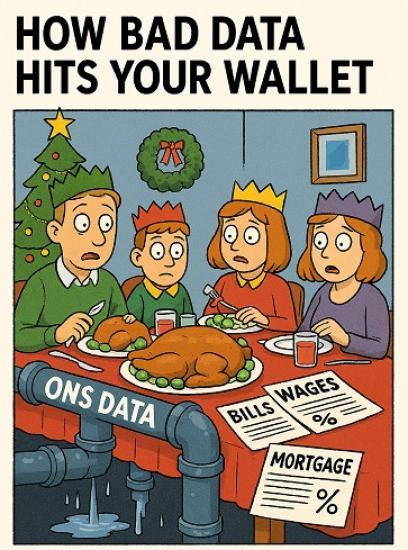
When the numbers go wrong, families pay the price. That's the uncomfortable truth behind the recent turmoil at Britain's Office for National Statistics (ONS). After repeated mistakes in labour market and inflation figures, the government is scrambling to appoint new economists and restructure leadership.
It may sound like a dry bureaucratic shuffle, but the consequences ripple straight into your household budget.
Why Statistics Matter
Economic data isn't just for academics or policymakers. It’s the compass guiding decisions that affect every family:
Interest rates
The Bank of England sets them based on inflation and employment figures. If those numbers are wrong, mortgage costs can swing wildly.
Wages and pensions
Pay negotiations and pension upratings often track official inflation measures. Faulty data means your raise may lag behind real living costs.
Taxes and benefits
Government budgets rely on accurate forecasts. Errors can lead to stealth taxes or misjudged benefit levels.
Everyday Examples
Think of statistics as the plumbing behind your finances. When the pipes leak, you feel it:
A miscount in employment surveys → The Bank of England keeps rates higher for longer → Your monthly mortgage bill rises.
An error in inflation data → Pensioners receive smaller upratings → Weekly shopping feels tighter.
Faulty trade figures → Government misjudges fiscal space → Cuts or tax hikes arrive sooner than expected.
The Current Crisis
The ONS has faced criticism for flawed labour market surveys, collapsing response rates, and errors in producer price data.
Four major economist posts are now vacant across the ONS and the Office for Budget Responsibility.
The government’s response is to appoint new leadership and split roles to restore credibility. But recruitment is tough — Britain is competing globally for top talent, and fixing structural problems won’t happen overnight.
Checklist
Protecting Yourself from Bad Data
While Westminster reshuffles its economists, families can take practical steps:
Track multiple sources
Don’t rely solely on headline inflation. Compare with independent trackers (e.g. supermarket price indices).
Stress-test your budget
Assume interest rates could swing by 1-2% if data errors mislead policymakers.
Plan buffers
Build a small savings cushion to absorb shocks from sudden tax or benefit changes.
Stay sceptical
Treat official forecasts as guides, not gospel. Adjust your household plans if reality feels different.
The Takeaway
Statistics may look abstract, but they are the scaffolding of everyday life. When the scaffolding wobbles, households feel the tremors in mortgages, wages, and shopping bills.
The government’s rush to appoint new economists is more than a staffing exercise — it’s a bid to restore trust in the numbers that shape our wallets.