Rail Industry Opens Train Driver Roles to School Leavers
11th February 2026
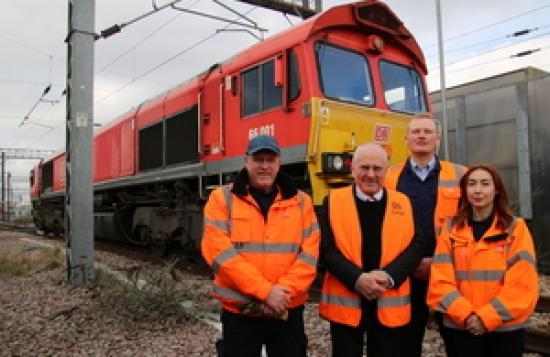
Lowering the train driver age from 20 to 18 will give younger people the chance to build rewarding careers in the UK railway industry.
train driver age lowered from 20 to 18, opening pathways for young people this National Apprenticeship Week.
law change gives school-leavers new opportunities to enter rail industry with fantastic chances for progression.
legislation laid at pivotal time for the industry, as government establishes Great British Railways
School leavers will soon be able to become train drivers, as the government is set to lower the legal age to be a train driver from 20 to 18 years old from 30 June 2026.
The move will open doors for younger people to enter a highly skilled profession at a pivotal time for the industry, when by 2030, a quarter of all train drivers are expected to reach retirement age. This figure rises to 32% in Scotland and the North East, and 38% for Wales.
With half of train operators now back in public ownership, this new generation of train drivers will help unlock the railway's full potential for passengers and businesses - including freight - that use the network. This is a key step ahead of the creation of Great British Railways.
Today (10 February 2026) marks the next step in changing the law so that from 30 June 2026, 18 year olds can apply for train driver roles. Legislation will be laid in Parliament during National Apprenticeship Week, reaffirming the government's plan to get young people into rewarding industries while tackling youth unemployment and driving economic growth.
Rail Minister, Lord Peter Hendy, said, "Lowering the minimum age for train drivers is a significant step forward for young people across Britain. This change will open doors for those wanting to move straight into the workplace, giving a younger generation the chance to build rewarding careers in the railway, whether that's in freight or passenger services.
It's a move that will help secure the future of Great British Railways and the wider rail industry and ensure the workforce reflects the energy, talent and ambition of the next generation.
There is a lack of diversity within the rail industry, fewer than 4% of train drivers are under 30 and only 11% are women. Less than 13% train drivers are from a minority ethnic background.
The change in law will create opportunities for young people across Great Britain from different backgrounds, to bring the UK in line with other countries across the world, such as Switzerland, Germany and Australia. It will also level the playing field across the transport sector, where young people can be a pilot or drive a tube and tram on the London Underground from 18.
The legislation will help the rail sector to secure the next generation of drivers, passing on skills from current staff to keep passengers safe on the network and grow the freight industry.
Work and Pensions Secretary, Pat McFadden, said, "With almost a million young people not in education, employment or training, we need to open up new routes into skilled, well-paid careers.
Lowering the minimum age for train drivers puts young people at the controls - of a train today, and of their own futures tomorrow.
Apprenticeships like these benefit everyone. Young people gain skills and a foot on the career ladder, while employers gain the fresh talent they need to grow. It's a great example of what's possible when government, unions and industry work together.
Daniel Mann, Director of Industry Operations at Rail Delivery Group, said. "The rail industry plays a vital role in connecting communities and supporting the economy, and as the workforce evolves, we need to attract a broader range of skills, experiences, and perspectives.
Lowering the minimum age for train drivers will help to open up a career in the railway for young people and will enable the industry to build the workforce of the future, support long term resilience and make sure the railway can continue to deliver for passengers.
Cabinet Secretary for Transport and North Wales, Ken Skates, said, "This is great news and will open up opportunities for young people. It opens the door to a rewarding career earlier, giving young people an opportunity to be part of the exciting developments in our railways.
General secretary of the Associated Society of Locomotive Engineers and Firemen (ASLEF) the train drivers' union, Dave Calfe, said, "ASLEF has been campaigning for many years to lower the age at which drivers can start training. This decision, to allow people to leave education and become a driver at 18, will increase diversity in the driver’s cab by encouraging more young people from all communities to drive trains on Britain’s railways.
Because, at the moment, many young people make their career choice at 18 and the industry misses out as the current minimum age is 20. This change will widen the opportunity for the rail industry to recruit the large numbers of train drivers required over the next 5 years.
Potential Earnings
How much does a train driver earn in Scotland?
Salary and Benefits
During this training period, trainees earn £36,032 per annum. Newly Qualified Drivers earn £50,086; This increases to £53,493 per annum 6 months after qualifying, and £57,451 per annum 9 months after qualifying; After the post qualifying period (3 years) the full-time salary is £63,421 per annum.
In the UK, train drivers earn an average salary of approximately £48,500 to nearly £70,000 per year, with experienced drivers often exceeding £65,000 to £87,000, particularly in London and for operators like Eurostar. Starting salaries generally range from £20,000 to £30,000, rising significantly with experience and qualifications.
Key Salary Information (UK):
Average Salary: Approximately £48,500 - £59,189 per year.
Experienced Drivers: £60,000 - £70,000+.
Top Earners: Top salaries can exceed £87,000-£90,000 (e.g., Eurostar).
London/Suburban: Train drivers in London average £58,795, with some roles paying up to £70,000.
Freight Drivers: Average around £44,418.
Starting Salary: £20,000 - £30,000, although some positions offer up to £54k without initial experience.
Factors Affecting Earnings:
Location: London-based drivers generally earn more.
Company: Different operators (e.g., LNER, GTR, London Underground) have varying pay scales.
Experience & Shifts: The role involves working early, late, and night shifts, which contribute to higher pay.
Benefits:
Train drivers often receive additional benefits, including generous pension schemes, free or discounted rail travel for themselves and their families, and sick pay.
Apprentice and trainee train drivers in the UK typically earn between £25,000 and £36,000 per year during their training period. As they pass specific,12-to-18-month training milestones (such as rules and regulations or safety competency), their pay often increases significantly before they fully qualify.
Typical Earning Structure (Trainee to Qualified)
Start of Training: Generally starts around £25,000-£30,000, with some operators offering higher initial salaries (e.g., £30,696 at Southeastern).
Mid-Training (Competent): Once trainees pass initial safety and rules assessments (usually within 3-6 months), salaries can rise to over £33,000-£37,000.
Newly Qualified: Upon completing the 12-18 month apprenticeship/training, salaries jump to around £50,000–£54,000.
Experienced Driver: Within a few years, salaries can rise to over £60,000–£70,000.
Key Details
Training Duration: Programmes typically last 12 to 18 months, combining classroom study with hands-on driving experience.
Locations: Salaries for roles in London or with specific train operating companies (like ScotRail or Southeastern) often reflect a higher cost of living or specific, structured pay scales.
Benefits: In addition to the salary, roles usually include a final salary pension scheme, free or discounted rail travel, and 24–28 days annual leave.
Requirements: Applicants must usually be over 18 from 10 February 2026 years old, live within a 60-minute commute of the depot, and pass medical/safety standards.