Trading Standards: Avoid Toxic Counterfeit Valentine's Gifts
12th February 2026
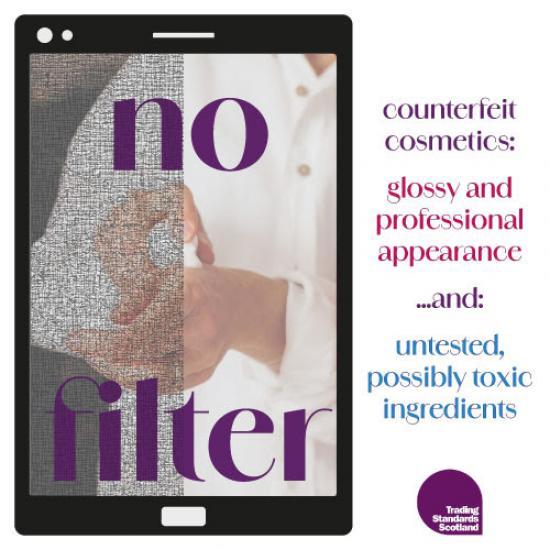
If you are shopping online for Valentine's Day gifts this year, avoid potentially dangerous counterfeit products.
According to our recent survey, almost a quarter (24%) of Scots would consider purchasing counterfeit cosmetics, perfume or candles.
However, 7% of those who bought and used counterfeit cosmetics experienced negative effects, including blisters, rashes and itchy skin. One man who used counterfeit aftershave described the sensation as his face being on fire.
Another woman who bought a fake Jo Malone candle was told there was a risk it could explode.
37% of those who bought counterfeit products did so because they were cheaper than the genuine brands. Although counterfeit products can look real, with glossy packaging and logos, they are often very different on the inside.
Counterfeit perfume has been found to:
contain unlisted ingredients which can cause allergic reactions and skin irritation, including poisonous chemicals and even human urine;
fail to meet UK and EU safety standards;
be produced and stored in filthy and unsanitary conditions.
Counterfeit cosmetics have been found to:
be made from cheap, substandard ingredients;
contain untested chemicals which can cause allergic reactions or serious health complications;
contain lead, mercury and other toxic ingredients.
How to Avoid
This advice has been provided by the Anti-Counterfeiting Group (ACG) and Intellectual Property Office (IPO):
Vet the seller. Do they look official? Have you bought from this seller before? Even if on a well-known marketplace or retailer website, does this seller seem legitimate? Does the seller have a returns policy? If in doubt, look for a genuine online review, not just recommendations from influencers to buy the item. You can also check the brand's own website for a list of legitimate sellers.
Remember that online marketplaces aren't responsible for checking that products being sold through their site aren't counterfeit or dangerous.
Avoid payments by bank transfer. Always beware of retailers asking for payment to be made via bank transfer. Well-known credit card providers like Visa or Mastercard and services like PayPal offer protection to buyers if the goods don’t arrive or are proven to be counterfeit.
Trust your instincts. Does the item on offer look and feel like an authentic product? Sellers of counterfeits often make spelling mistakes in their descriptions and sometimes on the products themselves, which is an obvious warning sign.
Be wary of social media ads taking you to fake online platforms. Many sellers of counterfeit goods set up online platforms which copy legitimate brands and advertise them via social media. Always check the domain name is authentic - you can use website checkers for this. If you’re buying goods, check that the little padlock appears in the URL bar when checking out - this indicates it’s a secure payment platform. Check reviews and make sure they have a returns policy. Fake platforms will often offer no way of contacting the business which is a sign that it may not exist.
Question the price if much cheaper than elsewhere. Whether buying online or in person, always think about the price. Scammers often sell counterfeit goods at discounted prices. If the item is significantly cheaper than you’d expect, that’s a good reason to be cautious.
If you realise that you have accidentally purchased a counterfeit product as a gift, don't give it to the recipient. If you have given it to them, let them know that it's fake as soon as possible and report it to Advice Direct Scotland on 0808 164 6000.
Find out More
ACG advice: www.a-cg.org/consumer-advice/safe-not-fake
Chartered Trading Standards Institute 'Cost of Beauty' campaign: www.tradingstandards.uk/news-policy-campaigns/campaigns/cost-of-beauty-2025/