Crude oil hitting $117 per barrel, pushing pump prices - Diesel At Wick Now 173.9 per litre
20th March 2026
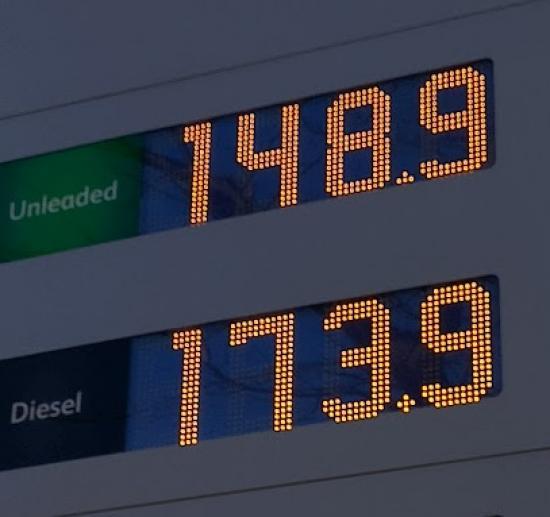
Oil prices have surged sharply due to the escalating US-Iran conflict, and this is already feeding directly into higher petrol and diesel prices across the UK.
The latest data shows crude oil hitting $117 per barrel, pushing pump prices to their highest levels since 2022.
What Are Oil Prices Doing?
Brent crude has surged to $117 per barrel, the highest since June 2022.
This spike followed Iranian retaliation against US‑Israeli strikes, including an attack on a major LNG facility in Qatar.
Markets are reacting to:
fears of supply disruption in the Gulf
shipping risks in the Strait of Hormuz
uncertainty over future production levels
When oil rises this sharply, UK fuel prices follow within days.
🔗 Why Oil Prices Push Up Petrol & Diesel Costs
UK fuel is directly tied to global oil markets.
Even though the UK produces some oil, pump prices reflect global wholesale costs.
Refineries pass on higher crude costs quickly.
When crude rises, wholesale petrol and diesel rise almost immediately.
Retailers adjust pump prices based on wholesale movements.
The RAC reports that the recent surge is the steepest since the Ukraine war.
Taxes amplify the effect.
Fuel duty + VAT mean any increase in the base price becomes larger at the pump.
If the current oil‑price surge continues, some rural areas including the far north such as Caithness could see pump prices approaching £2 per litre. Prices are already rising fast, diesel is climbing quicker than petrol, and rural forecourts historically hit the highest levels first due to transport costs and low competition.
PHOTO
Fuel prices at Wick on 19 March 2026.