Is the UK government considering rationing of fuel
21st March 2026
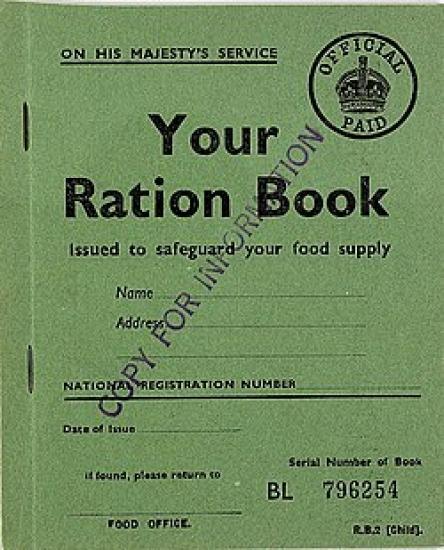
The government is reviewing emergency plans, which include fuel rationing, but only as a last resort.
These plans are part of a wider response to global oil supply disruption linked to the Middle East conflict.
Officials stress that fuel supplies are currently stable, and there is no immediate shortage.
When rationing could happen
Rationing is not planned imminently, but could be introduced if things get worse:
If global supply routes (like the Strait of Hormuz) stay disrupted for weeks
If UK fuel stocks drop significantly
If panic buying or demand spikes
Experts say rationing might become unavoidable only in a prolonged crisis.
What measures are more likely first
Before rationing, the government is more likely to try softer restrictions, such as:
Lower motorway speed limits
Encouraging working from home
Promoting public transport or car-sharing
Possibly limiting fuel purchases per visit
These are aimed at reducing demand rather than restricting access outright.
Important context
The UK already has an emergency fuel plan that includes rationing powers if needed.
Similar measures have been used historically (e.g. during major supply crises), but only in extreme situations.
Politically, rationing would be highly controversial, so it's not something the government would introduce lightly.
So fuel is not being rationed now.
But the government is considering it as a backup option, but only if the crisis escalates significantly.
If you want, I can explain what rationing would actually look like in practice (how much fuel, who gets priority, etc.).
How fuel rationing would work
A fixed allowance per person or vehicle
Each driver would get a set amount of fuel per week or month
This could be:
A litre limit (e.g. X litres per week), or
A monetary cap (e.g. £X worth of fuel)
The goal is to spread limited supply fairly and prevent panic buying.
Digital rationing not paper coupons
Unlike the 1970s, it would almost certainly be modern and automated:
Linked to your vehicle registration or bank card
Petrol stations would track how much you've already bought
Once you hit your limit → no more fuel until the next period
Think of it like a spending cap that resets weekly.
Priority access for essential workers
Some groups would get larger allowances or priority access, such as:
NHS staff and emergency services
Public transport and logistics (delivery drivers, HGVs)
Utility workers (electricity, water, telecoms)
This ensures critical services keep running even if everyone else is restricted.
Possible purchase limits at pumps
Even before full rationing, you might see:
Limits like "£30 per visit" or "full tank only" rules
Restrictions on filling portable containers (jerry cans)
This is often a first step to stop panic buying.
What it would feel like day-to-day
If rationing were introduced, for an average driver:
You'd need to plan journeys more carefully
Non-essential trips would likely be reduced
Commuting habits might change (more remote work, car-sharing)
Fuel prices could still be high, on top of limit
What would trigger it
The government would only go this far if there were serious supply problems, such as:
Long-term disruption to global oil supply (e.g. shipping routes blocked)
UK fuel stocks dropping to critical levels
Widespread panic buying causing shortages
Has this happened before?
Yes — the UK had fuel rationing during:
World War II
The 1973 oil crisis (though that was more about restrictions and shortages)
But today's version would be far more digital and targeted.
If it happens, it won't be chaotic it’ll be:
Controlled
Digitally tracked
Focused on keeping essential services running
For most people, it would mean less flexibility, not zero fuel.
Ratioing in UK History a Wikipedia