The Hidden Refunds: Everyday Situations Where Tax Rebates Go Unclaimed
7th April 2026
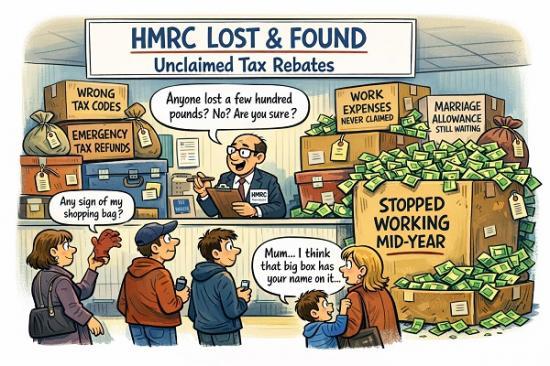
For all the attention paid to tax bills, far less is said about the money that ordinary people don't claim back.
Every year, millions of pounds in legitimate tax rebates sit unclaimed simply because people don't know they’re entitled to them. The UK tax system is full of small quirks, allowances, and adjustments that should work automatically but often don’t — especially for people with irregular work patterns, low incomes, or changing circumstances. The result is a quiet injustice: people paying more tax than they owe, often at times when they can least afford it.
One of the most common causes is the humble tax code. When someone changes jobs, goes part‑time, retires, or takes on a second job, their tax code can easily become wrong. A code that assumes too much income, or fails to account for personal allowances, can lead to over‑deduction month after month. Many people assume HMRC will fix this automatically, but the system only corrects itself if the right information reaches it — and that doesn’t always happen. A simple job change can leave someone unknowingly overpaying for an entire tax year.
Another frequent source of unclaimed rebates is emergency tax. Anyone who starts a new job without a P45, draws down a pension lump sum, or cashes in savings or investments can be placed on an emergency code that deducts far too much tax. HMRC will eventually reconcile this, but only after the end of the tax year. Many people don’t realise they can claim the refund immediately, leaving hundreds or even thousands of pounds sitting with the government for months.
Work‑related expenses are another area where money is routinely left on the table. Millions of employees are entitled to tax relief for things like uniforms, tools, professional fees, mileage, or working‑from‑home costs. Yet most never claim because they assume their employer handles it, or they don’t know the rules apply to them. The system is particularly unfair to low‑income workers, who often spend a higher proportion of their earnings on job‑related costs but are the least likely to claim relief.
Marriage Allowance is another quiet example. Couples where one partner earns below the personal allowance and the other pays basic‑rate tax can transfer part of the allowance between them. It’s worth hundreds of pounds a year, yet take‑up remains stubbornly low. Many eligible couples simply don’t know it exists, and HMRC does not automatically apply it.
Even life events can trigger unclaimed refunds. People who stop working mid‑year — due to redundancy, illness, retirement, or caring responsibilities — often overpay because the PAYE system assumes they will earn the same amount all year. Unless they actively claim a refund, the overpayment sits uncollected. Students who work summer jobs, seasonal workers, and people with fluctuating hours are all at risk of paying too much tax without realising it.
The pattern is clear: the tax system is designed around stable, full‑time employment and predictable incomes. But modern life is anything but predictable. People move in and out of work, take on multiple jobs, change hours, or juggle caring responsibilities. The system struggles to keep up, and the burden falls on individuals to spot mistakes and claim what they are owed.
The tragedy is that the people most likely to miss out on refunds are often those who need the money most: low‑income workers, part‑timers, carers, and those in insecure employment. A few hundred pounds can make a real difference, yet it remains locked away because the system relies on individuals navigating rules they were never taught.
The solution is not simply better awareness, though that helps. It is a tax system that recognises the realities of modern work and automatically adjusts to people’s circumstances. Until then, unclaimed rebates will remain one of the quiet injustices of the UK tax landscape — money that should be in people’s pockets, but isn’t.