Why Flights from Wick John O’Groats Airport Are Unlikely to Disappear But May Become Less Reliable
23rd April 2026
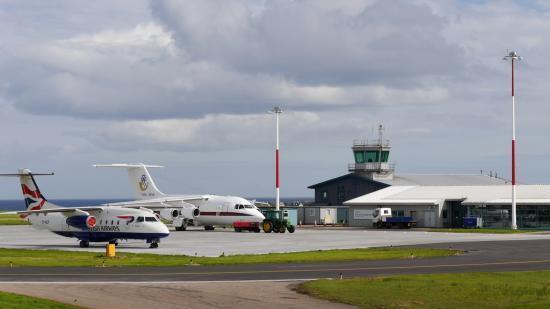
As headlines fill with news of airlines cancelling thousands of flights across Europe, it’s natural to wonder what this means for smaller, regional airports. One such case is Wick John O'Groats Airport, a remote but vital transport link in the north of Scotland.
While major carriers are slashing routes and consolidating operations, the situation at Wick is more complex and, in some ways, more stable.
At first glance, Wick might seem especially vulnerable. It is a small airport, serving a sparsely populated region, and its flights are far from the high-revenue international routes that airlines are keen to protect.
However, its importance lies not in profitability but in connectivity. Routes from Wick, typically linking to hubs such as Aberdeen, operate under what is known as a Public Service Obligation (PSO). This means they are subsidised by the government to ensure that remote communities remain connected to essential services, business networks, and healthcare access.
This distinction is crucial. Unlike commercial routes that can be cut when margins tighten, PSO routes are designed to endure. In the current climate—marked by rising fuel costs, supply uncertainties, and broader disruption across the aviation industry—governments are far less likely to allow such lifeline connections to disappear entirely. As a result, passengers should not expect a sudden or permanent withdrawal of flights from Wick in the same way that some larger European routes are being reduced or eliminated.
That said, stability does not mean immunity. Rather than outright cancellation, the more likely outcome for Wick is a gradual scaling back of service. Airlines operating these routes may reduce the number of weekly flights, concentrating demand into fewer departures. This can make schedules less convenient and reduce flexibility for travellers. Where there might once have been multiple daily options, passengers could find themselves working around a more limited timetable.
Another likely adjustment is the use of smaller aircraft. By reducing capacity, airlines can better match supply with demand while keeping fuel costs under control. For travellers, however, this can translate into fewer available seats and a greater need to book well in advance. In some cases, short-term disruptions may also occur. Temporary suspensions—lasting days or even weeks—are possible if operational pressures mount, though these would typically be resolved rather than becoming permanent closures.
Looking further ahead, there is also the possibility of changes in who operates the route. If the current airline finds the service increasingly difficult to sustain, the government may step in to retender the contract, inviting another carrier to take over. This has precedent in regional aviation and is part of how PSO systems maintain continuity over time.
Interestingly, passengers may still feel the effects of the wider aviation crisis in subtler ways. Even with subsidies in place, fares are not entirely insulated from rising costs. Cheaper tickets may become harder to find, particularly during peak travel periods, reflecting the broader pressures facing the industry.
In contrast to the sweeping cancellations seen elsewhere in Europe, the story at Wick is therefore one of preservation rather than withdrawal. The route is unlikely to vanish, but it may become thinner, less frequent, and somewhat less predictable. For those relying on it, the key adjustment will be practical: planning ahead, allowing more time for connections, and being prepared with alternatives—such as travelling via Inverness or Aberdeen—if disruptions arise.
Ultimately, Wick John O’Groats Airport highlights an important divide in today’s aviation landscape.
While major airlines reshape their networks around profitability and efficiency, subsidised regional routes operate under a different logic. They are not immune to global pressures, but they are protected by their role as essential infrastructure. In a turbulent summer for air travel, that distinction makes all the difference.