UK Borrowing Figures As The Parties Throw Figures Around So Who Is Right
20th May 2026
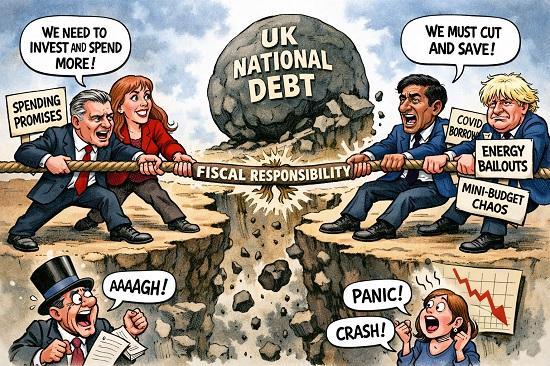
The comparison is complicated because inflation, Covid and energy-crisis borrowing distort the figures.
The last Conservative parliament (2019–2024) saw extraordinarily high borrowing because of:
the Covid pandemic,
furlough,
energy support schemes,
higher interest costs,
and weaker growth.
That parliament included some of the biggest deficits in modern UK history. Peak borrowing during Covid exceeded £300 billion in a single year. However, borrowing then fell back sharply afterward.
Under the current Keir Starmer Labour government, the official forecasts from the Office for Budget Responsibility still show the UK continuing to borrow substantial sums every year throughout this parliament, although generally declining over time. The OBR forecast borrowing falling from about £153bn in 2024/25 to around £59bn by 2030/31.
Recent actual borrowing has been slightly better than forecast:
2025/26 borrowing came in around £132bn,
about £20bn lower than the previous year,
and slightly below the OBR forecast.
So the answer depends on how you measure it:
Compared with the Covid-era Tory years: probably not. Those years were exceptional and massively inflated borrowing totals.
Compared with pre-Covid Conservative governments: Labour is on course to borrow considerably more.
In total cash borrowed across a full parliament: it could end up similar to or higher than some Tory parliaments simply because deficits remain large for longer and interest costs are now much higher.
A major issue is that Britain now has much higher debt-servicing costs than a decade ago. Rising gilt yields mean the government is paying far more interest on debt, limiting room for spending or tax cuts.
Critics argue Labour is:
relying heavily on borrowing,
postponing difficult spending cuts,
and depending on optimistic growth assumptions.
Supporters argue:
borrowing is already falling,
the government is keeping within its fiscal rules,
and investment borrowing for infrastructure and housing may improve long-term growth.
The biggest uncertainty now is external shocks:
higher oil prices,
Middle East tensions,
weak growth,
or higher interest rates
This could easily push borrowing back upward again later in the parliament.
But Hey Who is counting and can we all pay our bills. The country has been in debt for decades.