Why Have the Big UK Breadmakers Been Making Losses and How Have They Survived?
16th June 2026
he CMA clearing ABF’s takeover of Hovis is the easy part of the story. The hard part — and the real reason the big UK breadmakers have been making losses — is a brutal combination of rising input costs, supermarket price‑squeezing, energy shocks, and a market where nobody can raise prices without losing shelf space. The only reason the big players survived is scale, deep pockets, and ruthless cost‑cutting.
The CMA today cleared ABF’s acquisition of Hovis, ending months of speculation about whether the UK’s third‑largest bread brand would be allowed to change hands.
An interesting question is,
Why have the big breadmakers been losing money for years — and how on earth have they survived?
The short answer:
Bread is a high‑volume, low‑margin product in a market dominated by supermarkets who refuse to let retail prices rise.
Costs soared, but selling prices didn’t. Something had to give — and it was the bakeries’ profits.
The Big Squeeze: Costs Up, Prices Flat
Breadmakers have been hit by a perfect storm of rising costs:
Wheat prices surged repeatedly (Ukraine war, global droughts, fertiliser spikes)
Energy costs exploded — bakeries are energy‑intensive
Labour costs rose with the National Living Wage
Packaging costs increased sharply
Transport costs jumped with diesel and insurance rises
Yet supermarket retail prices barely moved.
Why? Because bread is a “known value item” — a product shoppers use to judge whether a supermarket is “cheap”.
Supermarkets keep bread prices artificially low to look competitive.
That means the bakers absorb the pain.
Supermarket Power: The Real Driver of Losses
The UK’s bread market is dominated by the Big Four plus Aldi and Lidl. They dictate:
shelf prices
promotions
product ranges
delivery schedules
penalties for missed deliveries
Breadmakers have almost no bargaining power. If they push for higher prices, supermarkets simply:
delist a product
reduce shelf space
switch to their own in‑store bakery
or buy more from rivals
This “price‑taker” position is why even giants like Hovis, Warburtons and Allied Bakeries have struggled.
Overcapacity: Too Many Bakeries, Not Enough Margin
For years, the UK had more industrial bakeries than the market could sustain.
That meant:
duplicated overheads
inefficient distribution
too much competition chasing too little margin
The result:
Chronic losses across the sector.
Hovis closed multiple bakeries.
Allied Bakeries shut Glasgow and Cardiff.
Warburtons cut product lines and routes.
The industry has been quietly shrinking to survive.
Energy Shock: The Killer Blow (2021–2023)
Industrial ovens run on gas.
Gas prices went through the roof.
Some bakeries saw energy bills rise 300–500%.
Supermarkets still refused to raise retail prices.
This period pushed several bakeries into the red — and accelerated consolidation.
How Did They Survive?
Despite years of losses, the big players stayed afloat through a mix of:
A. Deep‑pocketed owners
Warburtons is family‑owned and diversified
Hovis was backed by private equity
Allied Bakeries is part of ABF (which also owns Kingsmill, Primark, Twinings, British Sugar)
These owners could absorb losses that smaller firms could not.
B. Ruthless cost‑cutting
closing bakeries
reducing delivery routes
automating production
shrinking product ranges
switching to cheaper packaging
cutting promotional spend
C. Chasing volume, not margin
Breadmakers rely on scale.
Even tiny margins can work if you sell millions of loaves a week.
D. Private‑label contracts
Supermarket own‑brand bread is often made by the big three.
These contracts keep factories running, even if margins are thin.
E. Diversification
Some shifted into:
wraps
crumpets
bagels
seeded loaves
premium lines
These have better margins than standard white bread.
Why ABF Wants Hovis Now
ABF already owns Allied Bakeries (Kingsmill).
Buying Hovis gives them:
more scale
more efficient distribution
fewer competitors
better bargaining power with supermarkets
the ability to close overlapping sites
In other words:
Consolidation is the only way to make money in UK bread.
The CMA cleared the deal because the market is already dominated by supermarkets — not bakers — so competition concerns are minimal.
What This Means for Consumers — and for the Highlands
For Caithness, Sutherland and the wider Highlands:
fewer bakeries means longer supply chains
longer supply chains mean higher transport costs
higher transport costs mean rural prices stay higher
supermarket dominance means little local choice
Bread will remain cheap in cities — but rural areas will continue to pay more, especially for premium or specialist loaves.
The UK’s breadmakers didn’t fail because they were inefficient.
They failed because the economics of bread collapsed.
Costs soared.
Supermarkets refused to raise prices.
Margins vanished.
Losses mounted.
Consolidation became inevitable.
ABF buying Hovis is simply the latest chapter in a long, slow restructuring of a sector squeezed to the bone.
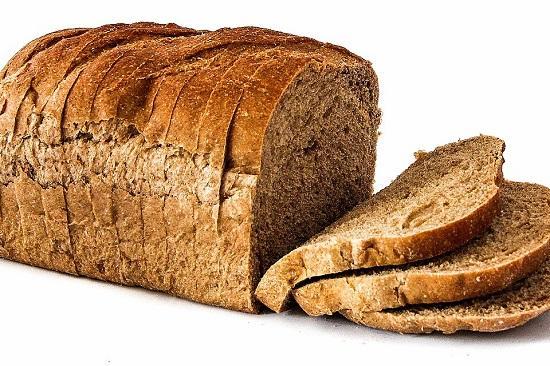
PHOTO
By FranHogan - Own work, CC BY-SA 4.0, https://commons.wikimedia.org/w/index.php?curid=92636750