The Humble Ginger Bottle Goes Global: Why Britain's Plastic Drinks Bottles Have Become Part of a Trade Battle
6th August 2026
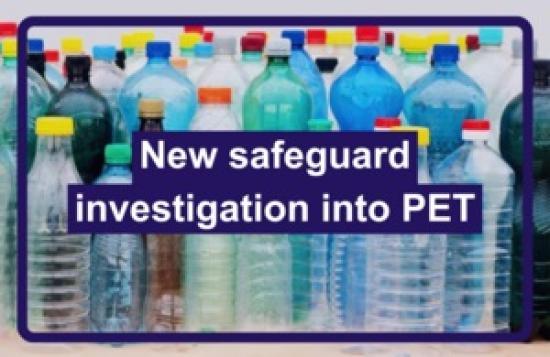
From the corner shop lemonade bottle to a £200 million industry PET packaging is now at the centre of a UK trade investigation
For generations in Scotland, the phrase "ginger bottle" brought to mind something simple: a glass bottle of lemonade, ginger beer or juice sitting in the fridge or being returned to the shop for a small deposit.
Today, the bottle may look very different. The heavy glass container has largely disappeared, replaced by the lightweight plastic bottle found in supermarkets, vending machines and convenience stores across the country.
But that modern plastic bottle has now found itself at the centre of an international trade dispute.
The UK's Trade Remedies Authority (TRA) has opened a safeguard investigation into imports of PET, the plastic used to make many drinks bottles and food packaging products.
What exactly is PET?
PET is short for polyethylene terephthalate — a name unlikely to appear on many shopping lists but a material that surrounds everyday life.
It is used for:
soft drink bottles,
water bottles,
food packaging,
some textile fibres.
It became popular because it is lightweight, strong, transparent and easy to recycle.
In other words, the modern replacement for the old glass ginger bottle.
Why is the Government investigating?
The TRA investigates whether UK industries are being harmed by unfair trade practices or sudden increases in imports.
A safeguard investigation is different from accusing individual countries of wrongdoing. Instead, it looks at whether a rapid rise in imports is causing serious difficulties for domestic producers.
The concern is that cheaper imported PET could put pressure on UK manufacturers, affecting investment, jobs and the future of domestic production.
The strange journey of the humble bottle
There is an irony here.
Plastic bottles were introduced partly because they solved problems created by glass.
They were:
cheaper to transport,
lighter for consumers,
less likely to break,
easier for large-scale manufacturing.
The old glass lemonade bottle required a whole system of collection, cleaning and returning.
Many older Scots will remember taking bottles back to the shop and receiving a few pennies in return — a very early form of recycling before the word became common.
The modern PET bottle removed much of that inconvenience, but created a new challenge. What happens when billions of lightweight plastic bottles are produced and discarded?
A bottle with a bigger environmental story
The trade investigation comes at an interesting time because plastic packaging is also facing major environmental changes.
The UK is moving towards deposit return schemes for drinks containers, designed to encourage people to return bottles and cans for recycling.
The aim is to create a more circular system where bottles are not simply thrown away but become raw material for new products.
Could this affect consumers?
At this stage, the TRA investigation does not mean prices will immediately change.
The process is about gathering evidence from manufacturers, importers and businesses affected by PET trade.
If measures are recommended in future, there could be consequences for supply chains and costs — but the purpose is to determine whether action is needed to protect fair competition.
From Scotland's ginger bottles to global supply chains
It is easy to forget how global even everyday items have become.
A bottle of lemonade bought in a Highland shop may involve:
raw materials produced overseas,
international shipping,
UK manufacturing,
recycling systems,
and global commodity prices.
The old ginger bottle was simple: drink it, return it, wash it, use it again.
The modern bottle may be lighter and more convenient but behind it sits a worldwide industry worth hundreds of millions of pounds.
The TRA investigation is a reminder that even something as ordinary as a plastic drinks bottle has become part of a much bigger economic story.
So next time someone reaches for a bottle of lemonade, they might spare a thought for the humble "ginger bottle" — because that little container now sits right in the middle of global trade, manufacturing and environmental debates.