Sellafield’s Calder Hall turns 70 as decommissioning gathers pace
16th October 2026
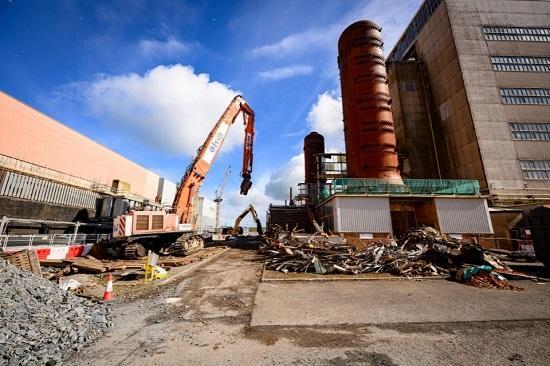
Calder Hall, the world’s first nuclear power station, marks 70 years. Decommissioning of the facility progresses, creating space for Sellafield’s future mission.
Friday 16 October 2026 marks 70 years since Queen Elizabeth II opened Calder Hall. This was the world’s first nuclear power station to provide domestic electricity.
It ushered in a new era of clean energy and secured Sellafield’s place at the heart of Britain’s nuclear industry.
Seven decades later, its legacy lives on through skills, jobs, investment and expertise.
Calder Hall stopped generating electricity in 2003. But its story didn’t end there.
Energy Minister, Department for Energy Security and Net Zero, Michael Shanks said:
Since Her Late Majesty Queen Elizabeth II first opened Calder Hall, nuclear power has helped keep the lights on for millions of Britons.
70 years on, the UK is driving forward the next generation of nuclear power through sites like Sizewell C and Hinkley Point C, which will deliver clean, secure and homegrown energy while creating thousands of skilled jobs across the country.
Euan Hutton, Sellafield Ltd CEO said:
Calder Hall changed the world when it opened in 1956. It pioneered civil nuclear power. It helped establish West Cumbria at the centre of the industry. It continues to play an important role today.
Seventy years later, our responsibility is different. We are safely decommissioning the station and reducing hazards.
This creates space we need to support Sellafield’s future mission. With space at a premium on the site, this is crucial to ensuring we can continue to deliver for the country.
David Peattie, Group CEO, Nuclear Decommissioning Authority (NDA), said:
Calder Hall helped put Britain at the forefront of nuclear power. Seventy years later the site continues to deliver for the nation.
As we safely deal with the UK’s nuclear legacy, Sellafield is supporting jobs and British businesses. It is maintaining the nuclear skills and capabilities the UK needs for the future. This delivers our commitment to leave a safer, more sustainable future for generations to come.
Huge amounts of work have taken place since power generation ended:
the reactors have been defueled
major hazards removed
redundant plant and structures have been dismantled
As the nuclear hazards have disappeared, more of the work now resembles the kind of demolition you would see elsewhere.
This means using established techniques and expertise to take buildings down safely.
That work will release land that can be used again. It will create space for the infrastructure needed to support the next phase of Sellafield’s clean-up mission.
Plans are now emerging for a new clean energy development next to the Sellafield site. Just as Calder Hall put West Cumbria at the forefront of nuclear energy, Pioneer Park will do the same for clean energy. The project is planned for NDA owned land, just outside the Sellafield boundary.
Pioneer Park aims to build on the area’s heritage and unrivalled nuclear expertise. It aims to create opportunities for new technologies, jobs and investment. These will benefit the local community for generations to come.
For several photos go to
https://www.gov.uk/government/news/sellafields-calder-hall-turns-70-as-decommissioning-gathers-pace
and
https://www.gov.uk/government/case-studies/calder-hall-decommissioning-the-worlds-first-commercial-nuclear-power-station