Wick Finds a New Purpose for an Old Church
24th October 2026
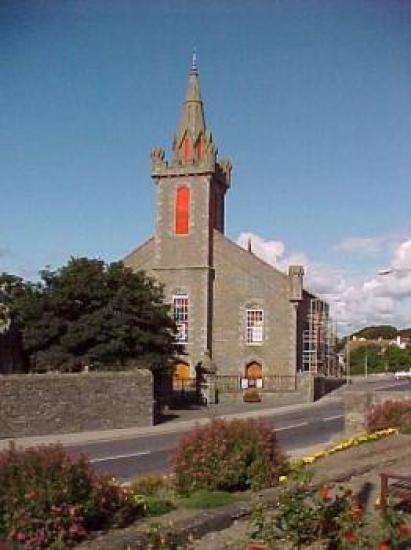
A historic Wick church that could have become another empty building on the edge of the town centre is being given a new future in community ownership.
Wick Development Trust completed the purchase of St Fergus Church on 8 October, securing the 196-year-old building for £80,000. The former place of worship, also known as Wick Old Parish Church, is to become St Fergus Community Centre, offering space for local organisations, meetings and events.
The acquisition is an encouraging development for Wick at a time when many towns are struggling to find new uses for older buildings and maintain activity in their centres.
But buying the building is only the first step. The longer-term success of the project will depend on securing the funding needed for repairs, making the facilities usable and attracting enough regular bookings to help meet running costs.
Community support makes the purchase possible
The purchase was funded mainly through a £62,197 award from SSEN Transmission's Shetland HVDC Link Local Fund. The remaining balance came from profits generated by Wick River Campsite.
The opportunity arose when it became clear that the church would no longer be used for religious worship. Church elders approached the Development Trust to explore whether the building could remain in community hands.
There was considerable local support for that outcome. A campaign gathered more than 2,000 signatures on a petition calling for the building to pass into the Trust's ownership.
The concern was understandable. A substantial historic building left empty can deteriorate, while an unsuitable sale or prolonged vacancy can make regeneration more difficult.
For Wick, the church is not simply a property. It is part of the town's history and a prominent building close to the centre. Bringing it back into use offers a chance to preserve an important local asset while creating something that meets present-day needs.
What will the new community centre offer?
The Trust's initial plans include a large hall, a smaller hall, two meeting rooms, a kitchen and toilets. These facilities could accommodate community groups, meetings, activities and room hire.
There are also plans to use the former sanctuary on the first floor as an events space suitable for concerts, weddings, funerals, conferences and other gatherings.
That could provide Wick with another venue for events that need more space than a small meeting room but do not require a large commercial facility.
The Trust has also indicated that it intends to continue working on its wider town-centre regeneration ambitions. The church project is therefore not intended to replace other plans, but to operate alongside them.
For community groups, the important question will be whether the centre offers accessible facilities at prices they can afford. A building can look impressive and still struggle to become a useful community resource if hiring costs are too high or access is difficult.
The challenge of paying for the work
The purchase price of £80,000 should not be confused with the total cost of bringing the building fully into use.
Repairs, decoration, furniture, equipment, heating, insurance, maintenance and ongoing utilities all have to be considered. Older buildings can also reveal unexpected problems once work begins.
A funding proposal published through Highland Council's community choices process seeks £75,000 for an initial phase of improvements. This includes roof repairs, decoration and the provision of furniture and equipment needed to make the centre operational.
The proposal envisages opening the first phase by February 2027, subject to funding and the work required.
The longer-term events space is intended to form a further phase, potentially developed alongside the initial work.
That phased approach makes sense. Opening usable parts of the building first could help establish demand, build relationships with local organisations and generate some income while further improvements are developed.
However, the financial plan will need to be realistic about how frequently rooms can be hired and how much income they can generate. Community facilities rarely operate on room bookings alone without a great deal of organisation, fundraising or volunteer support.
Could it help regenerate Wick?
The project offers a practical example of how town-centre regeneration can work.
Not every empty building can become a shop, and not every town can attract enough commercial tenants to fill its vacant premises. Community ownership can offer an alternative where there is clear local demand and a credible plan for the property's future.
A successful centre could attract people into the town, support local events and provide a base for groups that might otherwise struggle to find suitable accommodation.
Visitors attending a wedding, concert or conference may also spend money elsewhere in Wick. The effect on nearby businesses is unlikely to transform the local economy on its own, but it could contribute to wider efforts to keep the centre active.
The key will be to connect the building with the rest of the town rather than treating it as an isolated project.
That could mean working with other community organisations, coordinating events, encouraging repeat visits and ensuring that residents know what facilities are available.
It will also be important to measure success in more than financial terms. Affordable space for voluntary groups, opportunities for older residents to meet, activities for younger people and the preservation of a historic building are all potential benefits.
A building saved, but the work continues
Wick Development Trust deserves credit for securing the building and finding a way to keep it in community ownership. The support shown by local residents and the contribution from SSEN Transmission's community fund have made the purchase possible.
The next stage is more demanding: turning a promising idea into a functioning facility that people use regularly and that can be maintained over the long term.
The project also highlights the value of community organisations being able to act when opportunities arise. Once an important building falls into disrepair or passes into ownership with little interest in its future, bringing it back into use can become much harder.
St Fergus Church now has a chance of a new life. If the funding can be secured, the repairs completed and local demand sustained, it could become an important addition to Wick's community facilities.
The purchase has preserved the opportunity. The real achievement will be making sure that the doors open and that the building becomes part of everyday life in the town once again.