Advent Calendars: From 24 Chocolates to £1,000 Luxury Christmas Treats – Are They Worth the Money?
16th November 2026
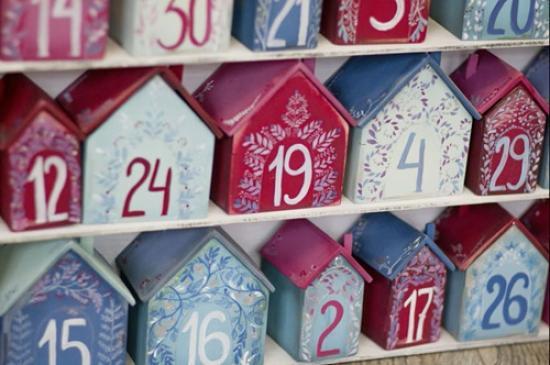
For many people, the advent calendar is a simple Christmas tradition. A cardboard calendar, 24 little doors and, behind each one, a small chocolate. It is inexpensive, familiar and something children look forward to every December morning.
But the advent calendar has undergone a remarkable transformation. What was once a modest seasonal treat has become a lucrative luxury retail market, with some calendars costing hundreds of pounds and a few exceeding £1,000.
So what exactly are people buying, why have prices risen so dramatically, and are these expensive calendars really worth the money?.
The arrival of the luxury advent calendar
The traditional chocolate calendar remains widely available. A Cadbury Heroes calendar, for example, can be found for around £9, while Lindt offers calendars at around £13–£20.
But visit the Christmas departments of major retailers and an entirely different world appears.
Beauty and skincare calendars have become particularly popular. Boots, Liberty, Space NK, John Lewis, Harrods and Selfridges all offer increasingly elaborate collections.
Some examples from the 2026 Christmas season illustrate just how far the market has developed.
Harrods has a beauty advent calendar priced at £270, containing 34 products. Its advertised contents value is approximately £1,780.
Space NK sells its beauty calendar for £275, with a claimed contents value exceeding £1,200.
Liberty's beauty calendar costs £285, with contents advertised as worth more than £1,300.
Vogue has introduced a festive calendar priced at £355, combining beauty products, jewellery and accessories.
And these are not even the most expensive examples.
Selfridges lists a Swarovski annual edition advent calendar at £1,100. Other luxury offerings include a £965 Maison Francis Kurkdjian countdown calendar and a £795 Astrid & Miyu jewellery calendar.
There are also expensive fragrance calendars, specialist food calendars and products aimed specifically at men.
The advent calendar has clearly moved well beyond its original purpose.
What are people actually getting?
The contents vary considerably.
Beauty calendars might contain perfumes, skincare creams, moisturisers, make-up and hair products. Some contain full-sized products, while others include smaller travel-sized versions.
Jewellery calendars can contain necklaces, bracelets, earrings and other accessories. Food calendars might include speciality chocolates, preserves, biscuits, coffee or other delicacies.
Some luxury calendars are effectively collections of gift products packaged into a Christmas countdown.
There is an obvious attraction for someone who already enjoys a particular brand. Rather than buying individual products throughout the year, they can receive a selection in one purchase.
There is also an element of discovery. Someone might find a new perfume, skincare product or speciality food that they would not otherwise have considered buying.
For some customers, that experience is part of the attraction.
Are the advertised savings genuine?
This is where things become more interesting.
Retailers frequently advertise the total value of the contents, suggesting that customers are receiving products worth several times the purchase price.
At first glance, a £270 calendar containing products supposedly worth £1,780 looks like an extraordinary bargain.
But there are some important qualifications.
First, the advertised value is generally calculated using the normal selling price of individual products. That does not necessarily mean customers would actually pay those prices.
Second, many calendars contain miniature versions of expensive products. A small quantity of luxury skincare might be assigned a substantial value based on the price of a much larger container.
Third, some calendars include vouchers. These can increase the advertised value considerably, but only if the customer wants to spend more money with that retailer.
Finally, there is the question of whether customers actually want everything included.
A calendar might contain 30 products, but if someone only likes or uses ten of them, the value to that particular customer is considerably lower than the advertised figure.
MoneySavingExpert has examined the 2026 beauty calendar market and provides useful comparisons of prices, contents and claimed savings.
The Guardian has also tested a selection of expensive beauty calendars, looking at the quality and usefulness of what is actually included.
These are more useful guides than simply accepting the promotional claims.
Why are people prepared to spend so much?
There are several reasons.
The first is the growing popularity of experience-based gifts. People increasingly buy presents that offer something to enjoy over a period rather than a single item to unwrap.
An advent calendar provides 24 separate moments of anticipation.
The second is the attraction of luxury brands. A customer who might hesitate before spending £100 on a skincare product may be more willing to spend £250 on a collection containing products from several prestigious companies.
There is also the gift market. A luxury advent calendar can be an impressive present for someone who enjoys beauty products, jewellery or speciality food.
Social media has helped too. Elaborate calendars photograph well, and opening a new compartment each day provides an opportunity for online content.
Retailers have recognised that the calendar itself can become a Christmas event.
Packaging also plays a part. Some products arrive in elaborate boxes with drawers, compartments and decorative features designed to be kept and reused.
It is no longer simply about what is behind the door. The presentation is part of the product.
Is there a genuine bargain to be found?
There certainly can be, but it depends on the customer.
Someone who regularly buys expensive skincare products and recognises the brands included might find a £200–£300 calendar represents reasonable value.
Likewise, a jewellery enthusiast might appreciate a collection that would cost considerably more if bought separately.
However, someone buying purely because of the advertised saving could be disappointed.
It is worth examining the contents before purchasing, checking which products are full-sized, identifying any vouchers and comparing individual selling prices.
There is also a simple test: would you buy these products individually if they were not presented in an advent calendar?
If the answer is no, the supposed saving might not be much of a saving at all.
A Christmas market that has found another opportunity
The development of luxury advent calendars is an interesting example of how retailers continually find new ways to encourage spending.
The traditional chocolate calendar has not disappeared. Millions of families will continue buying inexpensive versions, and there is nothing wrong with that.
But the luxury market has created an additional Christmas shopping category, bringing together cosmetics, jewellery, food, fragrance and gift products.
For retailers, it provides an opportunity to sell several products in one package, introduce customers to new brands and generate interest well before Christmas Day.
For consumers, it offers convenience, novelty and sometimes genuine value.
There is nothing wrong with spending money on something that gives pleasure, provided people understand what they are paying for.
But when an advent calendar costs £1,100, it is perhaps reasonable to ask whether we have lost sight of the original idea.
After all, the real excitement of an advent calendar was never supposed to be how much money was hidden behind each little door.
For most of us, 24 chocolates will probably continue to do the job perfectly well.
PHOTO
RICOH IMAGING COMPANY, LTD., PENTAX K-3 II
Free to use under the Unsplash License