Digital storytelling and Gaelic: why it matters for the Highlands and Islands
28th February 2026
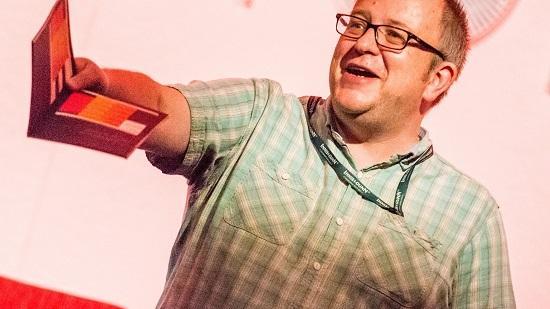
In this blog, Iain Hamilton, HIE's Head of Creative Industries, explains how digital storytelling is redefining the future of Gaelic culture and why embracing new platforms is vital for the Highlands and Islands.
Culture has always been one of the Highlands and Islands' biggest strengths. Our language, landscape, music, heritage and community stories shape how people see this region and why they choose to visit, work, live and invest here.
What's changing now is how people discover those stories. Digital storytelling has become essential for businesses, community groups and creative organisations. It is no longer a ‘nice to have’ - it’s now a core part of how regions compete for attention and opportunity.
Audiences are moving online
People, especially younger audiences, are spending more time on streaming platforms, YouTube, social media and podcasts. Broadcast TV continues to decline. For rural and island areas, this is a real opportunity. Gaelic stories which once relied on local events or broadcast slots can now reach global audiences instantly, without needing a big budget. A short bilingual clip or a Gaelic voiceover can travel further than ever before.
What young people want also matters
Young people in the Highlands and Islands are increasingly interested in digital and creative careers. Many want to use Gaelic naturally in their work, through presenting, filming, editing, writing or music.
Supporting Gaelic-speaking creators helps keep young talent in the region and ensures the language continues to grow in modern industries, not just in traditional settings.
Digital projects also create teams: editors, producers, camera operators, designers and translators. Gaelic skills add value to all of these roles.
Content doesn’t need to be constant
Many organisations worry about keeping up online. But digital storytelling is easier when content is reused. One event or interview can become:
short social clips;
a longer video or podcast;
a written story;
photos for future use;
bilingual learning material; and
archive content.
This approach builds a library of material that can be used again and again, saving time and increasing impact.
Why this works for Gaelic
Gaelic performs strongly online. Digital storytelling helps creators stand out and gives content a clear sense of identity and authenticity. It also creates bilingual value that Gaelic speakers, learners and international visitors can all engage through voiceovers, captions or translation.
Short-form video, podcasts and on‑demand formats are ideal for minority languages. They allow Gaelic to appear naturally alongside English, showing that the language is modern, adaptable and part of everyday life across the region.
Success stories from across the region
YouTubers and filmmakers showing island life, rural skills and local history.
Bilingual presenters combining outdoor adventure with Gaelic storytelling.
Writers and podcasters sharing long-form stories rooted in Highland life.
Gaelic youth podcasts and music creators building new audiences.
These creators are sharing great stories, and many are also turning their craft into a sustainable living.
One of the tools helping them do that is Patreon, a membership platform that empowers creators to earn directly from their fans. Since 2013, audiences have contributed more than £7 billion to creators using the service.
A changing commissioning landscape
Public media organisations are adapting too. MG ALBA recognise that digital audiences are growing while traditional viewing declines, especially among younger people. As a result, they are commissioning more digital‑first Gaelic content work created specifically for online and on‑demand platforms.
Digital is no longer secondary to broadcast. It is now central to the future of Gaelic media.
How HIE is helping
HIE is supporting this growth. Our recent Gaelic Digital Challenge Fund focused specifically on emerging Gaelic-speaking digital talent, helping young creators develop fresh ideas, produce high-quality content and gain valuable commissioning experience.
Five early‑career creators were supported through the fund, each bringing their own voice and perspective:
Tormod MacLeod - developing youth‑focused news content that reflects island issues and young people’s interests.
Niamh MacKinnon - creating lifestyle pieces that explore culture, wellbeing and everyday life through a Gaelic lens.
Somhairle Johnston – producing outdoor and adventure content that showcases the landscapes, activities and stories of the region.
Sophie Stevenson – championing traditional step dance with modern digital storytelling to reach new audiences.
Claire Francis MacNeil – sharing Gaelic song and music, blending heritage with contemporary creativity.
Together, these projects highlight the energy and imagination of the next generation of Gaelic creators - people who are not only shaping new digital spaces but strengthening the cultural future of the language.
Working with MG ALBA ensured that some of this content is now being published on Gaelic media platforms. This shows how targeted support can turn ideas into real digital output and help new creators build careers here in the region.
The opportunity ahead
Digital storytelling is now part of economic development. By supporting Gaelic content creation and digital creative skills, the Highlands and Islands can:
retain young talent;
strengthen small businesses and cultural groups;
build international audiences;
support the Gaelic language; and
tell local stories in authentic local voices.
The Highlands and Islands have something unique: Gaelic, landscape and lived experience. Digital platforms help us share all of this confidently and creatively, ensuring our stories travel far while staying rooted at home.
Head of Creative Industries
Iain Hamilton is Head of Creative Industries with HIE. He’s instrumental in developing XpoNorth, a year-round support programme for Highlands and Islands based businesses helping grow the region’s creative economy. The programme delivers an annual conference, sector specialist support, two funded programmes (heritage and digital) and a range of other activities including training and industry introductions.
Related Businesses
Related Articles